
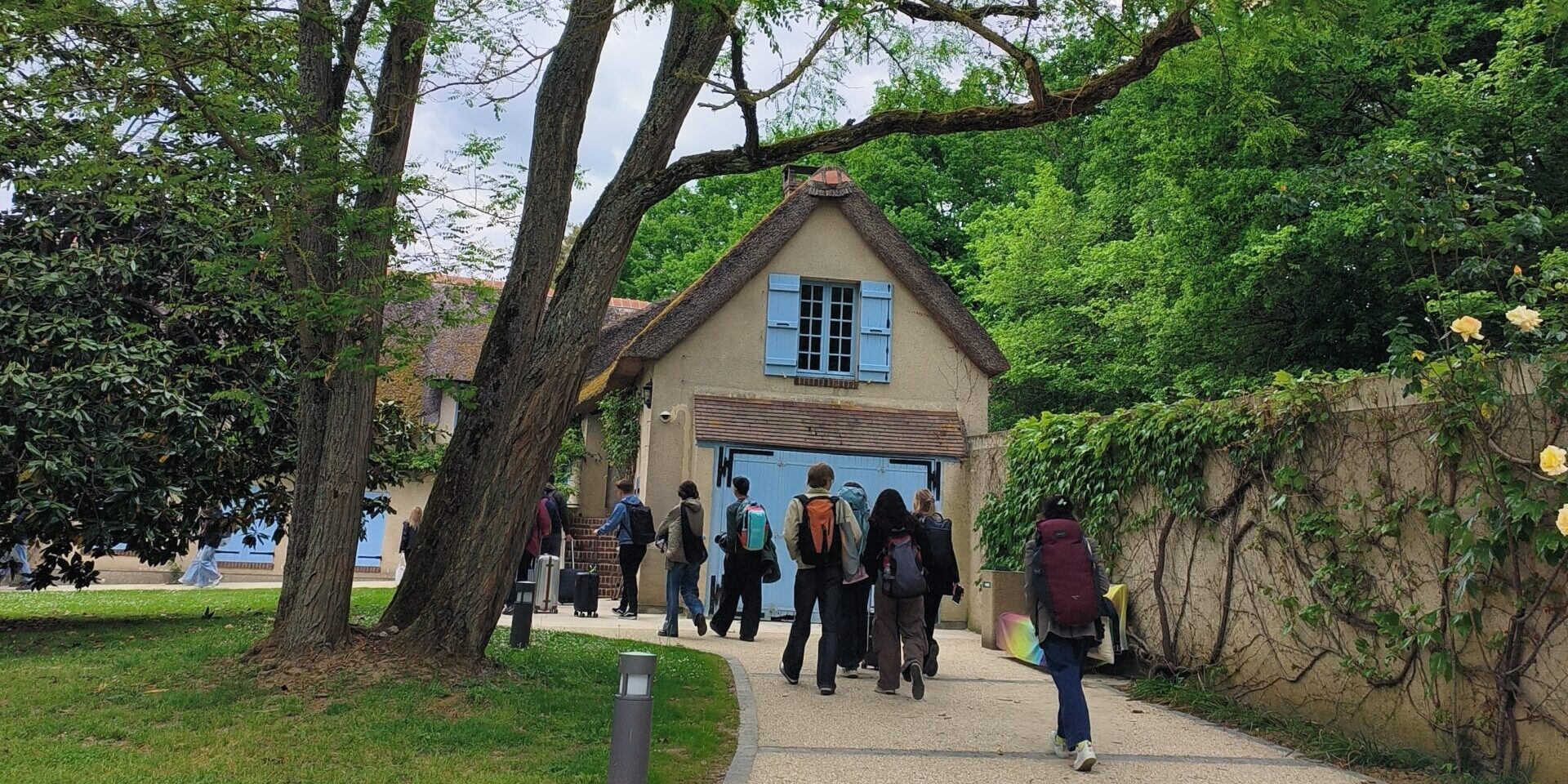
The fourth edition of the School on European Memories addresses one of the most pressing challenges facing European democracies: the growing influence of pseudo-historical revisionism and the instrumentalisation of the past for political purposes. Under the guiding question “Who owns the past?”, the programme will explore how history is written, transmitted, appropriated, and sometimes distorted in contemporary public discourse, seaking to:
- Examine the mechanisms and actors behind revisionist and manipulative uses of history
- Analyse the impact of social media ecosystems on the transmission of historical knowledge
- Critically assess the uses and abuses of the recent past by far-right and illiberal movements
- Strengthen strategies of resistance grounded in academic research, critical pedagogy, and responsible public communication
- Promote active citizenship as a response to memory manipulation
By fostering rigorous debate and interdisciplinary exchange, the School reinforces the idea that democratic memory is not merely about preserving the past, but about safeguarding democratic culture in the present.
Information for participants
The programme brings together 25 highly motivated young participants for an intensive three-day experience combining academic sessions, interactive workshops, and round tables with scholars and public voices. Discussions will be held in English and will focus on:
- Competing European memory narratives
- The role of social media in shaping historical knowledge
- Strategies of resistance through research, critical education, and responsible public communication
- Active citizenship and democratic resilience
Participants will collaboratively produce new episodes of Talking Memories, the School’s podcast. Through a guided editorial and hands-on production workshop, they will work in small teams to transform the debates and insights emerging during the School into accessible, well-structured, and high-quality public content. This process is designed to strengthen their ability to communicate complex and contested historical issues with clarity, rigour, and a strong sense of public responsibility.
Organizers: Jean Monnet House (European Parliament), European Observatory on Memories (EUROM) of the University of Barcelona Solidarity Foundation, Istituto di Studi Federalisti Altiero Spinelli, the Young European Federalists (JEF Europe), and the commemoration Spain in Freedom. 50 years. Co-funded by the CERV programme of the European Commission.

Check the full photo album on Flickr.
Programme
Monday, May 4
3.30 pm | Group meeting in Paris
5.30 pm | Welcome words
- Martí Grau, Head of service and curator of the Jean Monnet House
- Oriol López, coordinator of the European Observatory on Memories (EUROM)
- Moritz Hergl, President of JEF Europe
- Mario Leone, Director of the Istituto Spinelli
- Recorded video by Nicolae Ștefănuță, Vice-President of the European Parliament
6.00 pm | Opening remarks
Setting the scene: memory policies across Europe, by Matteo Bassoli
7.00 pm | Dinner
8.30 pm | Ice breaker activity & Podcast warm-up
Tuesday, May 5
9.15 am | Presentation of the works
- Debora Righetti, Event, Outreach and Learning coordinator at the Jean Monnet House, European Parliament
- Natalia Papageorgiou, Learning officer at the Jean Monnet House, EP
- Fernanda Zanuzzi, Press and communications’ manager, European Observatory on Memories (EUROM)
- Debora Striani, Vice President of JEF Europe
10 am | Lecture 1
The Uses and Abuses of Historical Revisionism: Fascism, Nazism and Francoism from a European perspective, by Xosé Manuel Seixas
11.30 am | Podcast Station Work: an introduction, with Fernanda Zanuzzi (EUROM) and Moritz Hergl (JEF)
12 pm | Guided visit to the Jean Monnet House, with Martí Grau
12.30 pm | Lunch
1.30 pm | Workshop
Communicating Histories/Y: crafting a podcast script, with Debora Righetti and Natalia Papageorgiou (Maison Jean Monnet)
2.30 pm | Break & Podcast Script Mentoring
3 pm | A curator’s insights
Postcolonialism? – an exhibition in the House of European History (online)
3.45 pm | Break & Podcast Station Work
4.30 pm | Lecture
Who Owns Memory? Holocaust Remembrance and the Limits of “Never Again, by Valentina Pisanty
6.00 pm | Podcast Workshop (recording session)
7.30pm | Dinner
9 pm | Sing and boogie night
Wednesday, May 6
8.45 am | Lecture 3
Hijacking History: How the Past is Rewritten, Weaponised, and Resisted, by Ana Milošević
10.15 am | Break & Podcast Workshop
10:45 am | Lecture 4
The thin line between History and Stories, by Antonio Argenziano
11:30 am | Collaborative workshop, with Debora Striani and Moritz Hergl (JEF Europe)
12.30 pm | Walk and visit to the Maison Louis Carré by Alvar Aalto
13.30 pm | Lunch
2.30 pm | Lecture 5
Crocodile Tears: Altiero Spinelli and Ursula Hirschmann—Between Memory, Reminiscences, and History, by Piero Graglia
4pm | Break
4.15pm | Podcast recording, with Fernanda Zanuzzi (EUROM) and Moritz Hergl (JEF)
5pm | Closing remarks and ceremony of diplomas
6.00 pm | Bus Departure from the Maison Jean Monnet to Paris
Thursday, May 7
10.00 am | Historical walking visit from Hôtel de Ville to the Pantheon
11.00 am | Guided visit to the Pantheon
12h30 | End of works
Previous editions
- 2025: European Unity and the Quest for Peace
- 2024: European Elections: A historical perspective
- 2023: European Elections in Focus
Participant’s guide
Activity Report
Who owns the past? Young Europeans confront revisionism at the 4th School on European Memories
Survey
This activity is co-financed by the European Commission and for its evaluation we kindly ask your collaboration in filling out this survey. You will need the information indicated below. Thank you very much!
- Reference of the Project: 101236354
- Type of activity: Training
- Title: School on European Memories 2026
- Date: May 04, 2026
- 4 days
- Physical event
- Maison Jean Monnet, Paris