Akiko Tsuchiya and Aurélie Vialette (eds.) Albany: State University of New York Press, 2025. 320 pp. ISBN 9798855800845 (hardback) A review by Jo Labanyi, New York University As the editors of this volume note, Spain has been slow to recognize the human rights abuses, including slavery, resulting from its former empire, in part because of …
Keith Lowe, Writer and historian, th author of Prisionieros de la historia: Monumentos y Segunda Guerra Mundial (Galaxia Gutenburg, 2021)
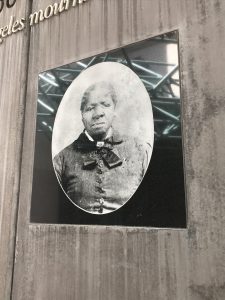
Los Angeles, located in a region founded on the exploitation of Native Californians by Spanish missionaries and a destination for the Black community during the Second Great Migration, is home to two memorials depicting this great disparity in visibility and historical dialogue — the controversial defaced statue of Spanish missionary Junipero Serra and the memorial park of formerly enslaved and philanthropist Biddy Mason.
The construction of memorials and museums all over the globe seems significant in the sheer vastness and magnitude of their number, as well as in the significance that these sites of memory may have in, and for, affected communities.
Social networks are just that – networks – webs of transmission that intersect and overlap. Memory also circulates through webs and networks, as different groups define themselves and their identities according to certain understandings of the past, understandings that can conflict with those of other groups. When versions of the recollected past are built and circulate through social media, they are supported by the likes and dislikes, the agreements and disagreements that these platforms enable.