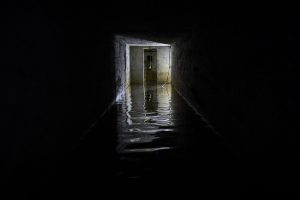
Ana SánchezJournalist and photographer, specialising in cultural communication and historical memory Cover picture: Factory 14 shelter © Ana Sánchez From 30 March to 30 July, galleries 3 and 4 in the former La Model prison played host to the photography exhibition Barcelona’s 1,322 air-raid shelters. It is the product of a research study that made …
Carolina Astudillo writes about her latests feature film, Song to a lady in the shadow (2021)
Franco’s secret police. The Political-Social Brigade during dictatorship, by Pablo Alcántara (Planeta, 2022). Reviwed by Ricard Conesa, Historian and project manager at he EUROM , editor of the magazine Observing Memories
Dasa Duhacek, Professor, political science department of Belgrade University on the book by Orli Fridman (Amsertam University Press (2022)
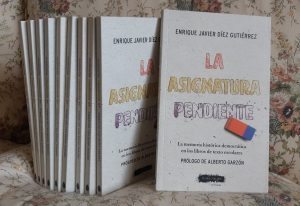
La asignatura pendiente. La memoria histórica democrática en los libros de texto escolares Javier Díez Gutiérrez and Enrique Javier. Madrid: Plaza y Valdés. 2020. Reviwed by David González, project manager at the EUROM Although the book in front of us saw the light of day in 2020, it is the outcome of many years of …
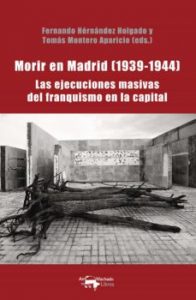
Vanessa Garbero reviews the collective book “To Die in Madrid (1939-1944). The Mass Executions of Franco’s Regime in the Capital City”, edited by Fernando Hernández Holgado and Tomás Montero Aparicio
On 3 August 2021, Nuraini Juliastuti and Carine Zaayman visited the exhibition “First Americans: Honouring Indigenous Resilience and Creativity” at the Museum Volkenkunde
Michael CramerMember of the European Parliament (MEP) from 2004 until 2019 Recently we commemorated the 30th anniversary of the fall of the Berlin Wall and of the Iron Curtain in Europe. The wall around West Berlin was 3.60 m high and 160 km long. Its appearance and location changed over the course of time: the …
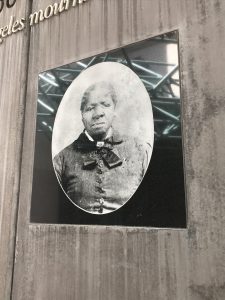
Los Angeles, located in a region founded on the exploitation of Native Californians by Spanish missionaries and a destination for the Black community during the Second Great Migration, is home to two memorials depicting this great disparity in visibility and historical dialogue — the controversial defaced statue of Spanish missionary Junipero Serra and the memorial park of formerly enslaved and philanthropist Biddy Mason.
In this novel, the author analyses, criticizes and denounces a key feature of his own social reality: the trivialization of the Holocaust through its spaces of memory, and through the various mechanisms of memorial transmission, both in his homeland, Israel, and abroad. This trivialization takes the form of a memory monster.